
If you’ve ever stood at a jewellery counter, slightly dazed by the sparkle, quietly trying to work out the difference between all the metals, you’re not alone. I’ve watched people hover there with the same expression you’d see on someone studying a wine list they definitely don’t understand. And honestly, I get it. Jewellery metals can be confusing.
But every time I chat with a jeweller or a designer, the same name keeps popping up with a kind of affectionate respect: 18ct white gold. It’s not the loud, showy type. It’s more like that effortlessly stylish friend who never tries too hard but always looks good.
Over the past few months, I’ve been diving deeper into why this metal is still one of Australia’s favourites, especially for engagement rings and pieces that are meant to last a lifetime. And the more I learn, the more I understand its quiet charm.
So, What Makes 18ct White Gold Special?
You might not know this, but white gold wasn’t originally “white” at all. Pure gold is bright yellow, as we all learned in primary school. To create 18ct white gold, jewellers blend that pure gold with paler alloys like palladium or silver. The result is a metal that has a beautiful, cool-toned sheen while holding onto the richness and durability that make gold so timeless.
There’s a kind of balance to it. Four parts classic gold, matched with one part contemporary coolness. It’s the jewellery version of mixing old-school craftsmanship with a fresh, modern mood.
And 18ct white gold is often chosen for sentimental pieces because it carries more pure gold than 14ct or 9ct. That means it feels just a little more luxurious and has a weight that’s subtly reassuring. When you hold a ring made from it, there’s this sense that it’s going to be around for a long time, even outlasting fashion trends (which burn out faster every year, don’t they?).
If you’re the sort of person who likes comparing things before making a choice, you might find this helpful breakdown on 18ct white gold. It lays out all the practical details without the usual marketing fluff.
A Metal That Flatters Just About Everyone
One of the jewellers I spoke to in Sydney told me something I hadn’t really thought about before: “White metals look good on almost everyone.”
And she’s right. The silvery-white tone sits beautifully on all skin types. It’s cool without looking sterile, sophisticated without looking snobbish.
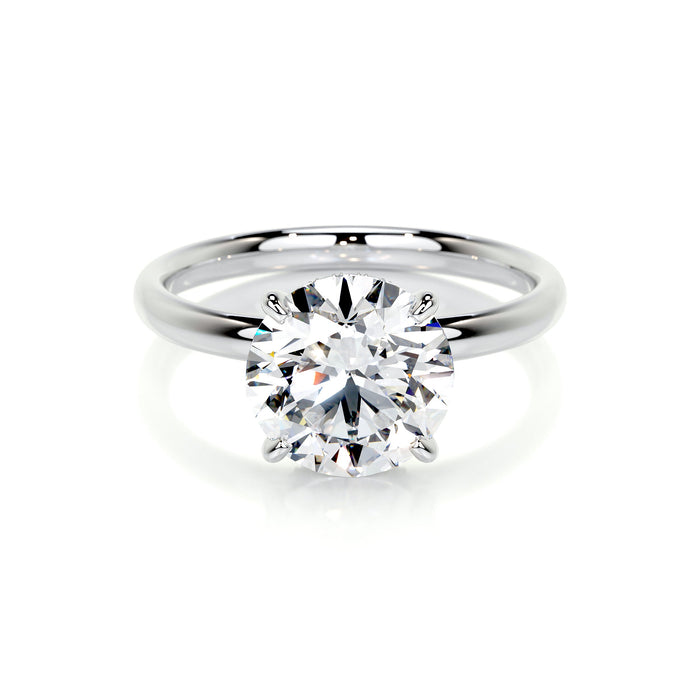
That’s probably why it’s such a popular choice for engagement rings. Even people who aren’t normally jewellery-wearers seem to gravitate toward it. It doesn’t shout. It doesn’t overpower a stone. It just creates the right kind of contrast.
A lot of jewellers love pairing 18ct white gold with diamonds because the cooler tone enhances sparkle. Personally, I’ve noticed it looks just as good with coloured gems too. Sapphires especially. There’s something deeply regal about that blue-with-white-gold combo.
The Rhodium Factor: What Nobody Tells You Until Later
Now, if I’m going to be honest, this is the part that catches people off guard.
18ct white gold is usually plated with rhodium, a rare, bright white metal that gives it that mirror-like, crisp silver finish. It looks incredible. But rhodium does wear off eventually, especially on rings that are knocked around daily.
When that happens, the metal underneath starts showing its natural, slightly warm undertone. It’s still lovely, just not quite as icy. Some people don’t notice it; others book a re-plating appointment straight away.
Replating isn’t expensive, and most jewellers recommend doing it every one to two years depending on wear. Think of it like servicing a car, just a whole lot prettier.
Once you know this, it stops being a “surprise expense” and becomes more like routine jewellery care. And honestly, there’s something oddly satisfying about taking a ring in for a refresh and picking it up looking brand new again.
How 18ct White Gold Compares to Platinum
People often compare white gold and platinum like they’re battling for the same crown. But the truth is, they’re different enough that the choice usually comes down to personal preference rather than superiority.
A few quick differences that jewellers often mention in passing:
• Platinum is heavier and naturally white, so it doesn’t need rhodium plating.
• 18ct white gold is lighter and a little more affordable.
• Platinum can develop a patina over time, while white gold maintains more of a polished shine between platings.
Some people love the weight and “heirloom feeling” of platinum. Others prefer white gold because it’s bright, classic, comfortable and works perfectly for everyday wear.
One thing’s certain: you can’t really go wrong with either. It’s like choosing between two equally classy restaurants. It just depends on the vibe you’re going for.
Why Modern Couples Keep Coming Back to It
There’s been a huge rise in demand for man made diamonds over the past few years. And honestly, it makes complete sense: they look the same, they test the same, and they’re ethically and financially easier on people who’d rather spend on a home deposit than a gemstone.
What I’ve noticed is that 18ct white gold has quietly become the natural partner for these stones. The cool tone highlights the clarity and brightness of a man-made diamond in a way that feels refined and modern.
If you’re curious about choosing jewellery based on your budget or personal style, this guide on man made diamonds offers a surprisingly practical take.
And there’s something quite lovely about the symbolism behind the pairing. One metal refined through craftsmanship. One stone crafted through innovation. It’s a very modern love story.
A Bit of Care Goes a Long Way
Now, I’m not suggesting you baby your jewellery. Life is for living, not tiptoeing around every surface so you don’t scratch a ring. But a little care makes a big difference.
Jewellers often give the same advice:
• Take your rings off when doing heavy lifting, gym workouts, or gardening.
• Avoid slathering hand cream over your jewellery every day.
• Clean it occasionally with warm water, mild soap, and a soft brush.
18ct white gold is strong enough for everyday wear, but a few small habits keep it looking its best. And if you do scratch it (because we all do), a jeweller can polish it back into its original shine.
18ct White Gold Feels So Timeless Right Now
It’s easy to think of white metals as modern, but 18ct white gold actually has a long, interesting history. It rose to popularity in the early 20th century when platinum became harder to source. People loved its brightness, its versatility, and the way it elevated gemstones without overshadowing them.
Now, more than a hundred years later, we’re watching it go through another wave of appreciation. And not just in engagement rings.
You’ll see 18ct white gold popping up in:
• minimalist everyday necklaces
• sleek, understated men’s jewellery
• earrings with modern architectural shapes
• anniversary pieces designed to be worn for decades
There’s something about its quiet simplicity that taps into current Australian tastes. We’re not big on ostentatious designs here. We like pieces that feel intentional, not loud.
And 18ct white gold fits effortlessly into that aesthetic.
Designers, Jewellers, and Real Buyers
After all the conversations I’ve had while researching this piece, here’s what sticks with me.
People don’t choose 18ct white gold because it’s trendy. They choose it because:
• it suits every skin tone
• it pairs beautifully with clear or coloured stones
• it feels classic enough to last decades
• it’s durable without being heavy
• it works for people who want something elegant but not flashy
It’s a metal with personality but not attitude. It doesn’t demand attention, yet it holds its own in any room. Kind of like the person who stays quietly stylish their whole life without ever trying too hard.
So, Is 18ct White Gold the Right Choice for You?
Well, that depends on what you want from your jewellery.
If you’re after a cool-toned, elegant metal that won’t go out of style, 18ct white gold is an easy yes. If you love crisp brightness and clean lines, it’s even more of a yes. If you like your jewellery to be refined but not stiff or overly formal, it’s basically perfect.
There’s something lovely about wearing a metal that blends history with modern taste so seamlessly. Whether you’re choosing an engagement ring, marking a personal milestone, or simply adding a piece that makes you feel good every day, 18ct white gold has a way of fitting in quietly and beautifully.
And maybe that’s its real charm. It’s the metal that doesn’t need your attention to be appreciated. It just quietly elevates whatever moment you’re wearing it for.