
Gold jewellery has always carried a sense of permanence. Whether it marks an engagement, wedding, anniversary, or personal milestone, the right piece needs to offer more than an attractive finish. It should feel comfortable, suit everyday life, and retain its beauty for years.
That is where 18ct yellow gold stands out. Its warm, rich appearance has a classic character, while its composition provides the practical strength needed for rings, necklaces, earrings, and other fine jewellery. It also works beautifully with both traditional and contemporary designs.
Choosing gold, however, can become confusing when different carats, colours, settings, and stones enter the conversation. Is a higher gold content always better? Does yellow gold suit diamonds? What should you consider for jewellery worn every day?
This guide explains the essentials, from composition and durability to styling and diamond combinations, so you can choose jewellery based on more than appearance alone.
What Makes 18ct Yellow Gold Different?
Pure gold is naturally soft, which makes it unsuitable for many pieces designed for regular wear. Jewellers therefore combine gold with other metals to improve its strength and durability.
18ct yellow gold contains 75% pure gold, with the remaining 25% made from alloying metals. The precise alloy can vary between manufacturers.
This combination offers several advantages:
- A deep, naturally warm gold colour
- Higher gold content than 9ct or 14ct options
- Enough strength for many everyday jewellery designs
- A luxurious finish suited to fine jewellery
- Versatility across traditional and modern styles
The result is a useful balance between purity and practicality.
Why Choose 18ct Yellow Gold for Diamond Jewellery?
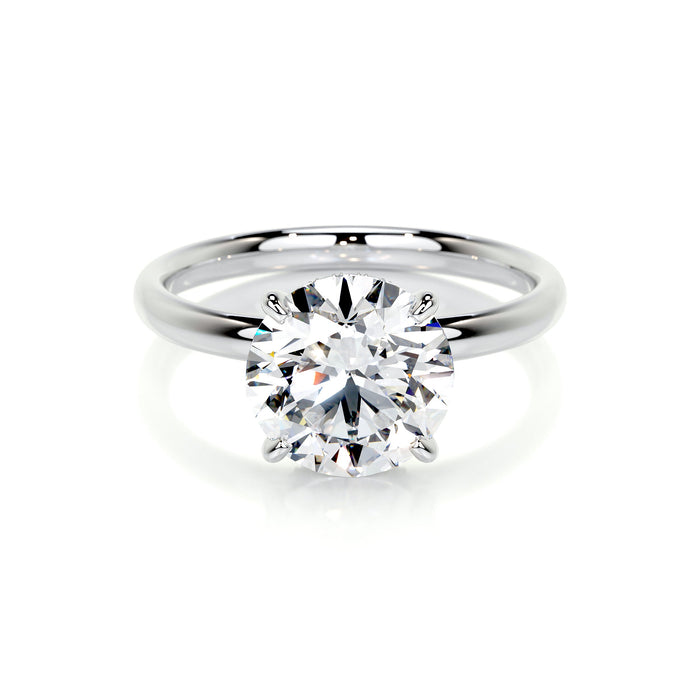
Yellow gold creates an attractive contrast with diamonds. Its warm tone can make the bright appearance of a diamond particularly noticeable, which is one reason the combination remains popular for engagement and wedding jewellery.
Modern buyers also have more stone options than previous generations. For example, lab grown diamonds have the same essential chemical and physical characteristics as mined diamonds, while being created in controlled environments.
When selecting a diamond piece, look beyond carat weight alone. Cut quality, proportions, setting style, and how the stone looks in normal lighting can make a significant difference to its overall appearance.
Matching Gold With Your Personal Style
One advantage of yellow gold is its flexibility. Minimalist wearers might prefer a slim band or delicate chain, while someone seeking a stronger visual statement could choose wider bands, textured finishes, or larger centre stones.
It can also complement other jewellery. Mixing yellow gold with white metals can create an intentional contemporary look rather than requiring every piece to match perfectly.
Is 18ct Yellow Gold Suitable for Everyday Wear?
For many people, yes. Its alloy composition provides greater durability than pure 24ct gold, making it practical for jewellery worn regularly.
That does not make fine jewellery maintenance-free. Rings in particular come into frequent contact with hard surfaces, cosmetics, cleaning products, and everyday dirt.
Good habits include removing valuable jewellery during strenuous manual work, storing individual pieces separately, and cleaning them according to the jeweller’s recommendations.
Caring for Your Gold Jewellery
Routine care can preserve both shine and detail. A soft jewellery cloth is useful for gentle cleaning, while professional inspections are worthwhile for pieces containing valuable stones.
For rings with lab grown diamonds or other gemstones, periodically checking the setting can also help identify loose claws or structural wear before a stone is lost.
How to Choose the Right 18ct Yellow Gold Piece
Start with how the jewellery will actually be worn. A special-occasion necklace has different practical requirements from an engagement ring worn every day.
Consider comfort, design, craftsmanship, stone security, and long-term maintenance alongside appearance. For important purchases, also check hallmarking and request clear information about the metal and gemstones.
FAQs
Does 18ct gold contain pure gold?
Yes. 18ct gold is 75% pure gold, with the remaining 25% consisting of other metals that help improve strength and influence its appearance.
Is yellow gold good for engagement rings?
Yes. Yellow gold is widely used for engagement rings because it combines a traditional warm appearance with the durability required for regular wear.
Do diamonds look good with yellow gold?
Yes. The contrast between warm gold and a bright diamond can create a distinctive appearance. The final effect depends on the diamond, setting, and overall ring design.
Does gold jewellery need regular cleaning?
Yes. Gentle routine cleaning helps remove oils, cosmetics, and everyday residue. Valuable or stone-set pieces can also benefit from periodic professional inspection.
A Lasting Choice for Fine Jewellery
Choosing 18ct yellow gold is about balancing appearance, gold content, durability, and personal taste. Its distinctive warmth works across everything from understated everyday pieces to significant wedding and engagement jewellery.
Rather than choosing solely by trend, consider how the piece feels, how often you will wear it, and how well its design fits your lifestyle. A carefully selected piece of fine gold jewellery can remain relevant long after fashions change.