
More buyers pick lab made stones
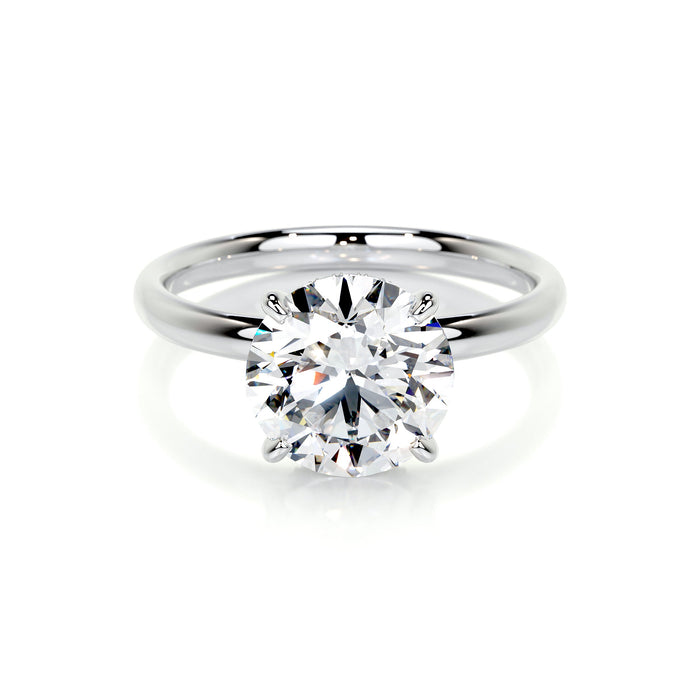
These days, picking diamond jewelry isn’t what it once was. Either you paid too much or settled for less – not anymore. Lab grown stones now offer the exact makeup and look of natural ones, minus the steep cost. Shoppers often weigh both kinds carefully these days before deciding. It comes down to value. Most people expect fine materials without overspending. These stones come from labs but pass every diamond test. Not fakes, never sold as copies. Identical atomic layout shows up under analysis. Their strength matches what comes from deep underground sites. Craftsmen shape each piece using standard tools and methods. Shop smart – design now takes center stage over scarcity. Whether it is an engagement ring, a pair of earrings, or dormilonas diamantes, what stands out is how well they are made. Clarity in structure gains importance. Craftsmanship rises above mere limited supply. The real value shifts quietly beneath the surface.
Lab Diamonds How Theyre Created
One way to make it happens on a large scale, another takes place in smaller batches. Different settings change how things come together.
- HPHT which stands for high pressure high temperature
- CVD which stands for chemical vapor deposition
Underground, nature takes its time shaping diamonds deep within the Earth. Lab techniques mimic those exact pressures and heat levels found below. What comes out matches real diamonds in how it feels and sparkles. To most eyes, telling them apart is nearly impossible. Without special equipment, even experts might hesitate. Picture two stones – one pulled from rock, one grown in a chamber – each weighing exactly one carat. Same cut. Same clear appearance. Worn on a finger, they give off the same glow.
Know What Something Is Worth Before Buying
Most folks look at lab diamonds because they cost less. For the same quality, you’ll pay fewer dollars compared to natural ones. This difference stretches your budget further. You might skip the tiny gem and go bigger instead
- A better cut grade
- Higher clarity
- A larger center stone
- A custom jewelry setting
When picking earrings such as dormilonas diamantes, what counts most isn’t just how big they are. Instead, evenness between them plays a bigger role. Think of light bouncing off each stone – when cuts match closely, the effect feels alive. Oversized gems might catch your eye at first, yet if their glow lacks rhythm, charm fades fast. Matching shape and shine usually wins over raw scale every time.
What Really Counts in Diamond Quality
Most folks fixate on size alone. Yet that misses the point entirely. Light performance hinges mostly on how it’s cut. Shines bright when crafted right. Even big ones seem lifeless if sliced poorly. Grading rests on four key traits worth knowing.
Cut
Light bounce changes because of this. Start here before moving on.
Color
Most diamonds range from clear to faint yellow. A subtle tint usually blends into normal light without standing out.
Clarity
Inside the stone, tiny features known as inclusions can be seen. These little spots often need a lens to show up clearly.
Carat
A diamond’s heft is what carat measures, not how big it looks. Depending on the cut, stones of identical weight might seem more spread out or compact.
Why Earrings Need Different Choices
Most folks pick rings and earrings the same way. It rarely fits. With earrings, you see both gems at once. Harmony beats hunting perfect scores every time. One stone might look a bit different once placed next to another. Picking dormilonas diamantes? Pay attention to these details
- Balanced shape and size
- Matching color tone
- Secure settings
- Comfort for daily wear
Most people wear stud earrings all day. If they weigh too much, discomfort creeps in after a while. Better function comes from clean backs instead of fussy details. Think about it – tiny ones with perfect alignment often shine more than big uneven gems.
Certification Still Matters
Start by checking if the lab that graded it is well known. Good paperwork will tell you exactly what’s inside, without guessing. A trustworthy source makes all the difference when judging quality. Details matter most – clarity, cut, color – all laid out plainly. Never skip verifying who backed the assessment. Proof counts more than promises every single time
- Cut quality
- Color grade
- Clarity grade
- Carat weight
- Growth method
Beware of price tags that hide extra costs or product details dressed up in tricky words. Not everyone plays by the rules, even if it seems like they do. A few stores toss around fancy labels but skip official quality checks. Check the paperwork first, every time.
How choices change how things look
A shift in surroundings alters the appearance of a diamond when it’s on display. Common choices are these
- Prong settings for maximum light exposure
- Bezel settings for extra protection
- Halo settings for larger visual appearance
- Martini settings for lower profile earrings
Most days, people pick jewelry with fewer details. Because simple styles stay neat longer while looking fresh over time. With tiny diamond studs, brightness matters a lot – so clear layouts help them stand out more.
Maintenance Is Simple but Important
Oil sticks to lab created diamonds, along with everyday dust. A top-grade stone might seem dull if it’s grimy. Most diamond pieces can be cleaned right in your kitchen with:
- Warm water
- Mild soap
- A soft toothbrush
Most everyday cleaners can damage delicate surfaces. After washing, gently wipe pieces with a lint-free fabric instead. Every few weeks, take a moment to examine each setting’s grip on its stone. When mounts loosen, gems might slip free without warning. Cloudiness in a diamond often comes from repeated contact with bare hands over time rather than flaws within.
Lab or Mined Choices?
It really comes down to what matters most to you. For some people, where a diamond comes from is key. A few care more about how it looks, what they can afford, and shaping choices. With lab made stones, spending shifts in another direction. You’re not funding provenance first – instead, attention moves toward clarity, cut, sparkle. Younger shoppers now weigh these choices more often, thanks to real benefits they notice. Clarity comes once personal priorities take center stage
- Budget flexibility
- Stone size
- Visual quality
- Long term wear
- Jewelry design
With these goals set straight, picking what fits best starts making sense.
Avoiding Common Buying Mistakes
Most people buy jewelry fast when feelings run high. This choice usually brings regret later. Skip these errors instead
- Buying based only on carat size
- Ignoring cut quality
- Skipping certification
- Choosing uncomfortable settings
- Comparing stones under unrealistic store lighting
Start by requesting a look at pieces near a window if you can. Harsh store bulbs tend to boost shine more than real daylight does. Spend minutes laying gems next to one another. Seeing them together helps spot tiny contrasts fast.
Buyers Common Questions
Are lab diamonds considered real diamonds?
Exactly alike in makeup and strength compared to natural stones pulled from the earth.
Do lab diamonds last as long as mined diamonds?
True. Both hold up just as well when worn daily.
Dormilonas diamantes – how do they hold up when worn every day?
True. If they fit well and stay put, studs work just fine every day.