
Lab Grown Diamonds Explained
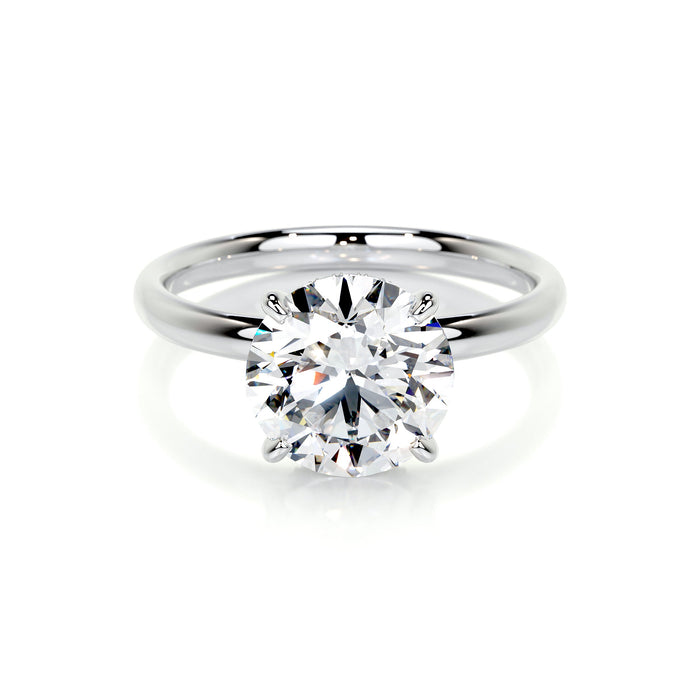
Real diamonds can now be made in laboratories. These stones are genuine, nothing less. Not imitations like cubic zirconia. Their atoms line up just like those in natural diamonds. Origin sets them apart. While traditional ones form far beneath the surface, these grow under human supervision. High-tech methods replace millions of years underground. Consistency matters here. Clarity and shade stay more predictable, so shocks are rare. Value shifts too – what you pay feels fairer. Take a 1 carat natural stone; it can demand double the fee of a lab-made twin with identical clearness. That gap? It’s nudging more pairs toward a lab created diamond wedding band for their rings these days.
Lab Diamonds in Wedding Bands Chosen for Cost and Ethics
Picking a wedding ring goes beyond shopping for shiny things. Worn daily, it sticks around through mornings, nights, years. Lately, more folks look to lab diamonds – here’s why that change happens
- Lower cost without losing quality
- Clarity shifts when choices multiply. Color bends under new rules. Power hides in small decisions about both
- No mining involved
- Wide design choices
Folks usually pick based on price tags. Saving cash opens doors – like upgrading the gem without stretching your wallet. Picture this: swap that narrow ring with tiny natural diamonds for a broader one, packed with shinier lab gems instead.
Selecting a Wedding Band
Before you buy, pay attention to just a handful of important details.
1. Stone Quality
Start with the 4Cs – Cut, Color, Clarify, Carat. Yet cut matters most. Because of how it shapes sparkle. Take a small stone, cut right – it outshines a bigger one ruined by bad angles.
2. Band Style
Wedding bands come in different styles:
- Full eternity bands
- Half eternity bands
- Channel set bands
- Pave bands
A ring wrapped completely in stones circles the whole band. Uniform it may seem, yet adjusting its size brings challenges. Stones only along the top half make another option, easier when worn every day.
3. Metal Choice
Common options include:
- White gold
- Yellow gold
- Rose gold
- Platinum
Priced higher, platinum holds up better over time. On the flip side, gold weighs less while being easier on the wallet.
Pricing What You Actually Pay For
What something costs comes down to three factors: how good the diamond is, how many there are, one kind of metal used. When diamonds come from a lab, the price of those stones drops. That changes where the money goes. More might go toward how it looks, or you keep extra cash. Say the total amount stays the same – now a wider ring becomes possible, maybe clearer gems too. Rings made with man-made diamonds usually run between thirty and fifty per cent lower than natural ones that look just like them.
Durability and Everyday Use
This ring goes on every day. Durability becomes key because of that routine. Just like natural stones, lab diamonds match perfectly in toughness. Scratches stand little chance against them. Yet the metal around the stone plays a role just as much. Sparkle stands out in prong settings, though they demand attention over time. Stones stay safer in channel setups, tucked away from daily bumps. Hands that move constantly do well with something sturdy underneath. Think of someone guiding classrooms or rushing through hospital halls – low height rings won’t catch on papers or fabric.
Common mistakes to avoid
Most people just look at how big it is. This often ends badly. Skip these errors:
- Ignoring cut quality
- Choosing style over comfort
- Not checking certification
- Buying without comparing options
A quick glance won’t reveal what’s underneath – trust only reports from labs such as GIA or IGI. Take two nearly identical rings shown online, their clarity and cut might be worlds apart. That gap becomes clear once certification enters the picture.
Online Shopping Compared to Physical Store Purchases
One choice is shopping on the web – selection tends to be wider, prices lean lower. Comparing models takes less effort that way. The other path is a physical shop, where seeing the item matters. Testing how the ring fits comes easier there. Buying from online sites means:
- Check return policy
- Look for clear images and videos
- Read detailed specifications
If you can’t see detailed pictures of gems, move on. A shop that hides stone details isn’t worth your time. Look elsewhere when clarity is missing. Zoomed-in views matter – skip sellers who avoid them. Clear visuals help you decide – without them, walk away.
Design trends that work
Now and then styles shift, yet a few choices keep working. Tiny diamonds set in plain rings still show up often. These fit well beside bigger rings meant for proposals. Rings made to layer appear regularly too. Over months or years, extra ones join the collection. A single stone from a lab-made ring fits right into this setup since matching gems is simple. Later on, slipping in an extra band won’t cause issues – lab grown diamonds stay consistent.
Is It the Right Choice for You
Start by weighing what matters most. Mined stones might win if getting top dollar later is key. Yet labs offer steady worth, newer styles, plus reliable quality. Maybe begin with questions instead. Is bigger stone the goal, or sticking to custom meaningful practice. Does knowing where a gem comes from affect things. Will switching it out down the road even happen. Those thoughts tend to shape decisions naturally.
Care and Maintenance
A small routine keeps your ring in good shape. Try wiping it down now and then using gentle soap mixed with water. Harsh cleaners can do harm – steer clear of those. Have someone take a close look every twelve months, just to be sure the gems stay put. Think about it like this: catch a wobbly prong fast, before the stone slips away.
Frequently Asked Questions
Are lab diamonds real diamonds?
Fine. Just like natural ones, their makeup and traits match exactly.
Over time, do lab-grown diamonds drop in worth?
Few people will pay much later for lab stones. Yet right now, buying one saves money.
What separates a diamond made in a lab from one pulled out of the earth?
Bare vision won’t catch it. Special tools are required to trace where it begins.