
Diamonds remain one of the most valued gemstones because of their beauty, durability, and rarity. They symbolize commitment, celebrate milestones, and often become treasured family heirlooms. Whether you are shopping for an engagement ring, comparing lab created diamonds with natural stones, or searching for fine jewellery in Sydney, understanding the basics helps you make informed decisions.
This guide explains diamond quality, popular cuts, modern alternatives, and practical buying tips without unnecessary complexity.
Why Diamonds Continue to Hold Their Value
Diamonds are formed under extreme heat and pressure deep within the Earth’s mantle. Their exceptional hardness makes them suitable for everyday jewellery. On the Mohs hardness scale, diamonds rank 10, making them highly resistant to scratching.
Beyond durability, diamonds have remarkable optical properties. Their ability to reflect and refract light creates brilliance, fire, and sparkle. These characteristics depend on the quality of the cut rather than size alone.
Many buyers also value diamonds because they mark meaningful life events such as engagements, anniversaries, and personal achievements.
Understanding Diamond Quality
Professionals evaluate diamonds using the internationally recognized Four Cs.
Cut
Cut determines how effectively a diamond reflects light. A well-cut stone appears brighter and more vibrant than a poorly cut diamond of the same size.
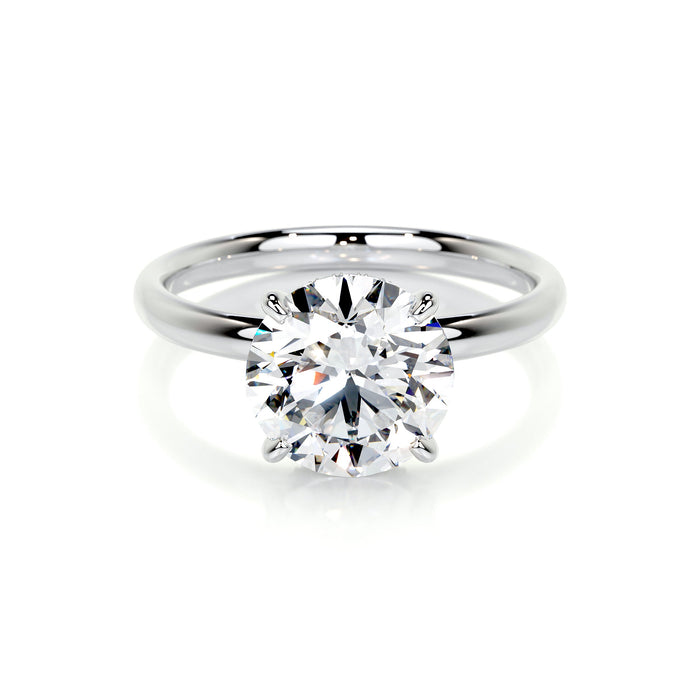
One common question is how many facets in a round brilliant cut diamond. A standard round brilliant diamond has 57 facets, or 58 facets if the culet is included. This arrangement maximizes light performance and creates the signature sparkle associated with round diamonds.
Color
Natural diamonds range from colorless to light yellow or brown. Colorless grades are generally more valuable because they allow more light to pass through the stone.
Fancy-colored diamonds, including vivid yellow, pink, and blue stones, follow a separate grading system.
Clarity
Clarity measures internal inclusions and external blemishes. Most imperfections are microscopic and invisible without magnification.
Many diamonds with slight inclusions appear flawless to the naked eye, making them excellent value choices.
Carat Weight
Carat refers to weight rather than physical size. Two diamonds with the same carat weight may appear different depending on their cut proportions.
A balanced combination of cut, color, clarity, and carat usually provides better value than focusing on size alone.
Lab Created Diamonds vs Natural Diamonds
The discussion around lab grown diamonds vs natural diamonds has become increasingly relevant.
Natural diamonds formed underground over billions of years. Lab created diamonds are produced in controlled environments using advanced technology that replicates natural growth conditions.
Both options share the same chemical composition, crystal structure, hardness, and optical properties. Independent gemological laboratories grade both using the same standards.
Natural diamonds appeal to buyers who appreciate geological rarity and long natural formation.
Lab created diamonds often cost less than comparable natural diamonds. This allows buyers to choose larger stones or higher quality grades within the same budget.
The right choice depends on personal priorities rather than appearance because both offer genuine diamond characteristics.
Choosing the Best Diamond Shape
Each diamond shape creates a unique appearance.
Round brilliant diamonds remain the most popular because they maximize brilliance.
Oval diamonds create the illusion of greater size while elongating the finger.
Princess-cut diamonds feature sharp corners and contemporary styling.
Emerald-cut diamonds emphasize clarity through long step facets instead of intense sparkle.
Pear, cushion, and radiant cuts each provide distinctive styles suited to different jewellery designs.
Selecting a shape should balance personal taste, lifestyle, and setting design.
Yellow Gold Engagement Rings Remain a Popular Choice
Yellow gold engagement rings have experienced renewed popularity thanks to their classic appearance and versatility.
Yellow gold complements many diamond shapes and works particularly well with vintage-inspired settings. Its warm tone enhances lower color diamonds by making subtle color differences less noticeable.
Many couples choose 18-karat yellow gold because it offers rich color while maintaining good durability. Fourteen-karat yellow gold provides greater hardness for everyday wear.
Yellow gold also pairs beautifully with solitaire, halo, and three-stone engagement ring designs.
Where to Buy Loose Lab Grown Diamonds
Many buyers prefer selecting a loose diamond before choosing a setting.
If you are wondering where to buy loose lab grown diamonds, look for reputable jewellers that provide:
- Independent grading reports from recognized gemological laboratories.
- High-resolution images or videos.
- Clear information about cut quality.
- Transparent pricing.
- Return policies and after-sales support.
In Sydney, many established jewellery retailers and specialist diamond dealers offer loose lab grown diamonds alongside natural options. Comparing certification and cut quality helps ensure consistent value.
Where to Buy Bridal Jewellery in Sydney
Finding quality bridal jewellery requires careful consideration of craftsmanship and design.
If you are searching for where to buy bridal jewellery, Sydney offers a wide range of independent jewellers, custom design studios, luxury boutiques, and established diamond specialists.
Before purchasing, examine the finishing quality, gemstone settings, metal purity, and certification. Matching wedding bands, earrings, bracelets, and necklaces create a coordinated bridal look while allowing flexibility for future occasions.
Custom jewellers can also create bridal sets tailored to personal preferences and budget.
What to Wear to a Bridal Shower
Many people also ask what to wear to a bridal shower while preparing for wedding celebrations.
Bridal showers typically call for polished yet comfortable attire. Floral dresses, midi dresses, tailored jumpsuits, or elegant skirts paired with blouses suit most daytime events.
Simple diamond jewellery, pearl earrings, or delicate necklaces complement bridal shower outfits without appearing overly formal.
If the invitation specifies a dress code or theme, follow those guidelines to ensure your outfit matches the occasion.
Diamond Certification Matters
Certification provides an independent assessment of a diamond’s quality.
Respected gemological laboratories evaluate cut, clarity, color, carat weight, proportions, and other measurable characteristics.
Reviewing a grading report helps buyers compare diamonds accurately rather than relying solely on appearance or sales descriptions.
For valuable purchases, certification offers greater confidence and transparency.
Caring for Diamond Jewellery
Regular care preserves both brilliance and structural integrity.
Clean diamonds using warm water, mild soap, and a soft brush. Avoid harsh chemicals that may damage certain metals or gemstone settings.
Professional inspections once or twice each year help identify loose prongs before stones become damaged or lost.
Store diamond jewellery separately in soft pouches or lined compartments to prevent scratches on other pieces.
Choosing the Right Diamond
Selecting a diamond involves balancing beauty, budget, and personal preference.
Some buyers prioritize exceptional cut quality over larger carat weight. Others value the affordability of lab created diamonds, while some prefer naturally formed stones for their rarity.
Whether you choose a solitaire, a halo design, or timeless yellow gold engagement rings, understanding quality factors allows you to make a confident decision. Buyers in Sydney can benefit from comparing certified diamonds, exploring custom jewellery options, and selecting pieces that match both lifestyle and long-term expectations.